Understanding the Hib Vaccine: Protecting Children from a Once-Common Childhood Threat
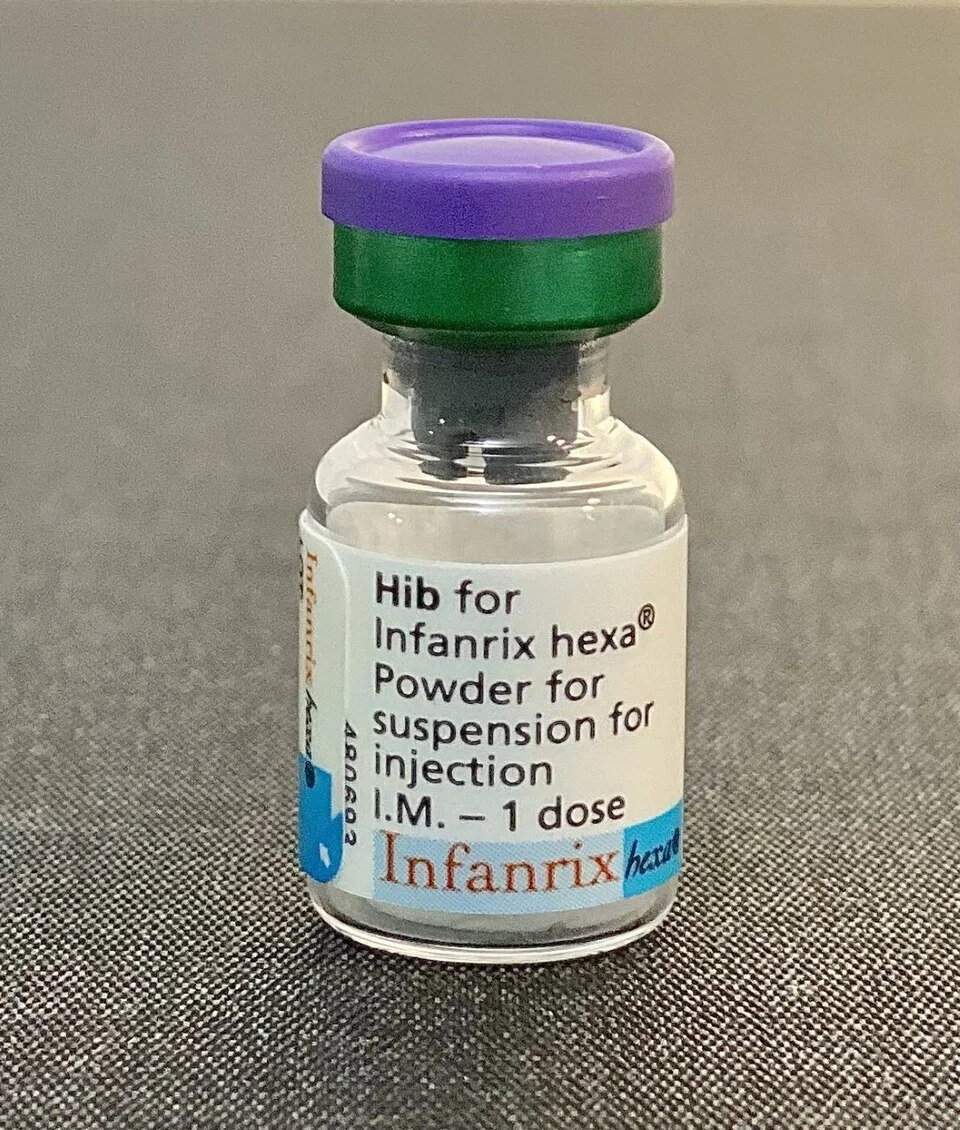
As parents, it's easy to focus on illnesses that seem to make the headlines each year, while forgetting about diseases that have become rare largely because vaccines have been so successful. Haemophilus influenzae type b (Hib) is one of those diseases. Before the Hib vaccine became available in the late 1980s, Hib was one of the leading causes of bacterial meningitis and other life-threatening infections in young children in the United States. Today, thanks to routine vaccination, invasive Hib disease has become uncommon—but only because most children are protected.
Despite its name, Haemophilus influenzae type b has nothing to do with influenza (the flu). It is a bacterium that can cause severe invasive infections, particularly in children younger than 5 years of age. The bacteria can spread through respiratory droplets when people cough or sneeze. While many individuals may carry the bacteria in their noses or throats without becoming ill, in some young children it can invade the bloodstream and lead to serious disease.
Before widespread vaccination, Hib commonly caused:
Bacterial meningitis (infection around the brain and spinal cord)
Epiglottitis, a rapidly progressive swelling of the airway that can become life-threatening
Bloodstream infections (sepsis)
Pneumonia
Bone and joint infections
Even with prompt medical treatment, Hib meningitis could result in hearing loss, developmental delays, seizures, or death. The disease was especially common in children between 6 months and 2 years of age, when protection from maternal antibodies had waned but children's own immune systems were still developing. Routine vaccination has reduced invasive Hib disease in young children in the United States by well over 99%.
When is the Hib vaccine recommended?
The Hib vaccine is recommended as part of the routine childhood immunization schedule because babies are at the highest risk for severe disease during their first two years of life.
Depending on which vaccine product is used, children receive either:
A 3-dose primary series at 2, 4, and 6 months, followed by a booster at 12–15 months, or
A 2-dose primary series at 2 and 4 months, followed by a booster at 12–15 months.
The exact schedule depends on the specific vaccine brand your child's pediatrician uses. Healthy children generally do not need Hib vaccination after 5 years of age because their immune systems are mature enough that invasive Hib disease becomes much less common. However, older children and adults with certain medical conditions—such as asplenia, sickle cell disease, or those who have received a stem cell transplant—may still benefit from vaccination.
What are the side effects?
Like all vaccines, the Hib vaccine can cause side effects, but they are generally mild and short-lived.
The most common reactions include:
Redness, swelling, or soreness where the shot was given (about 5–30% of children)
Fever
Fussiness or irritability
Temporary crying after vaccination
These symptoms typically resolve within one or two days without treatment.
Serious side effects are very uncommon. The most important rare reaction is a severe allergic reaction (anaphylaxis), which can occur after virtually any vaccine. Across all routinely administered vaccines, anaphylaxis occurs at a rate of approximately 1.3 cases per one million vaccine doses (about 0.00013%). Children are monitored after vaccination, and pediatric offices are equipped to recognize and treat this reaction immediately should it occur.
Large vaccine safety monitoring programs have not identified any unexpected or recurring serious safety concerns specific to Hib vaccines.
A conversation worth having
Every family's medical history and comfort level with vaccines is unique. If you have questions about the Hib vaccine, we can help you understand your child's individual risk factors, explain the benefits and potential side effects, and discuss the vaccine schedule in the context of your family's values and concerns.
One of the greatest successes of modern pediatrics is that many parents have never seen a child with Hib meningitis or epiglottitis. While that makes the disease easy to overlook, it is also a reminder of how dramatically routine childhood vaccination has changed the landscape of pediatric infectious diseases.