Rotavirus Vaccine: Protecting Babies During Their Most Vulnerable Months
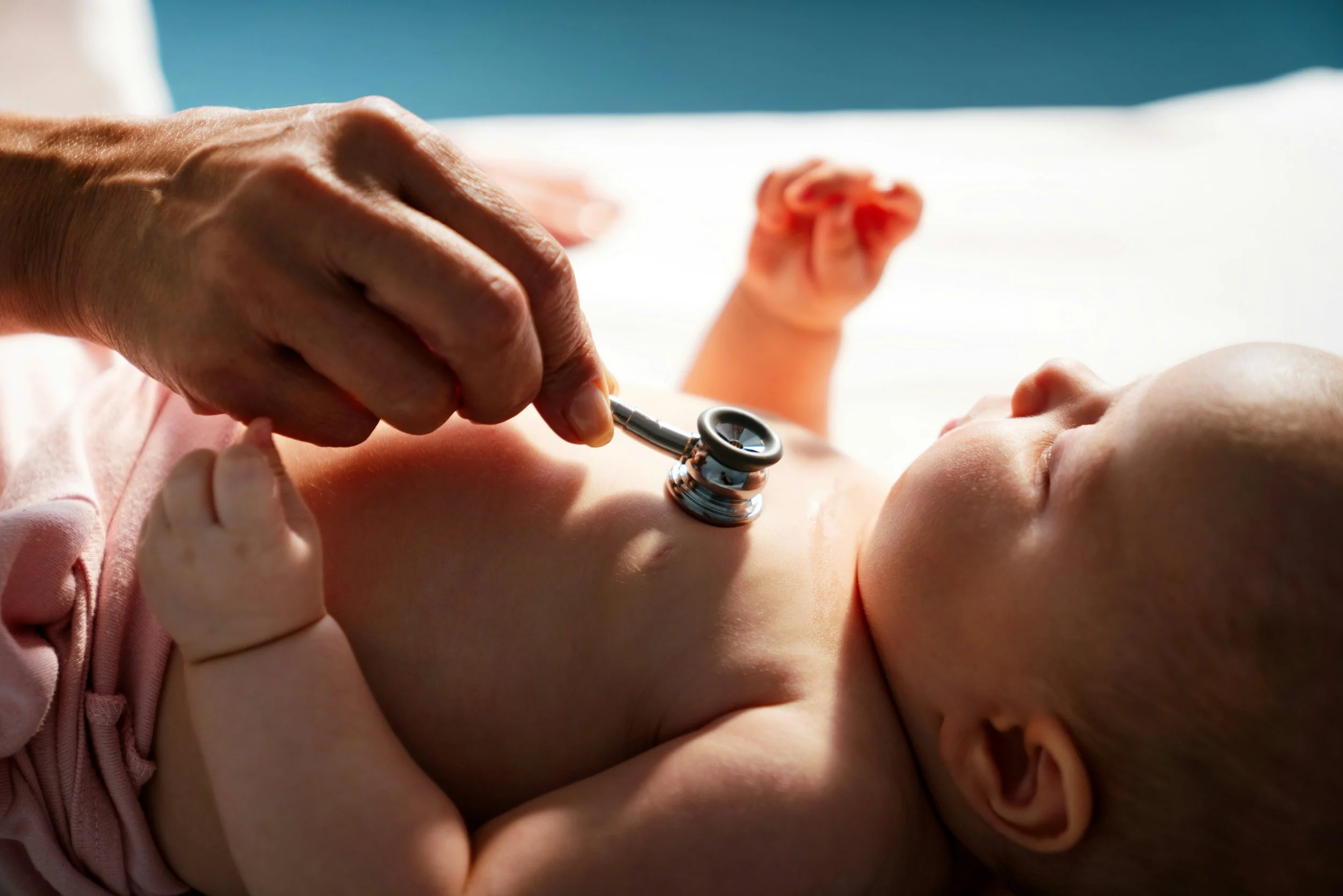
As parents, it's natural to have questions about every vaccine your baby receives. The rotavirus vaccine is unique because it is the only routine childhood vaccine that is given by mouth rather than by injection. It is also one of the earliest vaccines babies receive because rotavirus infection is most dangerous during infancy.
Rotavirus is a highly contagious virus that infects the stomach and intestines. Before vaccines became available, nearly every child was infected by age 5, and many infants became seriously ill. The virus causes severe watery diarrhea, vomiting, fever, and abdominal pain. While most children recover with supportive care, the greatest danger is dehydration, which can develop quickly in babies and may require hospitalization for intravenous fluids. Since the rotavirus vaccine was introduced in the United States in 2006, hospitalizations and emergency department visits due to rotavirus have fallen dramatically. About 9 out of 10 vaccinated children are protected against severe rotavirus disease, and more than 94% of vaccinated children are protected from hospitalization due to rotavirus.
One of the nice features of this vaccine is that it is easy for babies to receive. Rather than a shot, a small amount of liquid vaccine is placed into your baby's mouth. There are two licensed rotavirus vaccines in the United States. Rotarix® is given as a 2-dose series at 2 and 4 months of age, while RotaTeq® is given as a 3-dose series at 2, 4, and 6 months of age. Your pediatrician's office will use one vaccine consistently to complete the series whenever possible.
Unlike many other childhood vaccines, there is a relatively narrow age window during which the rotavirus vaccine can be given. The first dose should be started before 15 weeks of age, and the entire series must be completed by 8 months of age (32 weeks). This recommendation exists because the small risk of one of the vaccine's rare side effects, called intussusception, increases naturally as infants get older. Completing the vaccine series during early infancy provides the greatest benefit while maintaining an excellent safety profile.
Fortunately, most babies experience no significant side effects. Some infants may be a little fussier than usual or develop mild diarrhea or vomiting for a day or two after vaccination. These symptoms are generally short-lived and resolve on their own.
The most well-known rare side effect is intussusception, a condition in which one part of the intestine slides into another, creating a blockage. This is considered a medical emergency but is treatable, especially when recognized promptly. Large studies have found that the vaccine causes approximately 1 additional case of intussusception for every 20,000 to 100,000 infants vaccinated, with the greatest risk occurring during the week after the first or second dose.
Parents should seek medical attention right away if their baby develops:
Episodes of severe crying or abdominal pain, especially if the baby pulls their legs toward their chest
Repeated vomiting
Blood in the stool
Unusual sleepiness or weakness
Although hearing about a rare complication can understandably be concerning, it is important to keep the risk in perspective. Before rotavirus vaccination became routine, rotavirus was one of the leading causes of hospitalization for severe diarrhea in infants and young children. Today, thanks to vaccination, serious rotavirus illness has become far less common in the United States, preventing tens of thousands of hospitalizations every year. For the overwhelming majority of infants, the benefits of vaccination greatly outweigh its small risks.
If you have questions about whether the rotavirus vaccine is appropriate for your baby or your child has a medical condition such as a weakened immune system, discuss your concerns with your pediatrician. Together, you can make an informed decision that best supports your child's health during these important first months of life.