Current Cyclosporiasis Outbreak: What Parents Need to Know
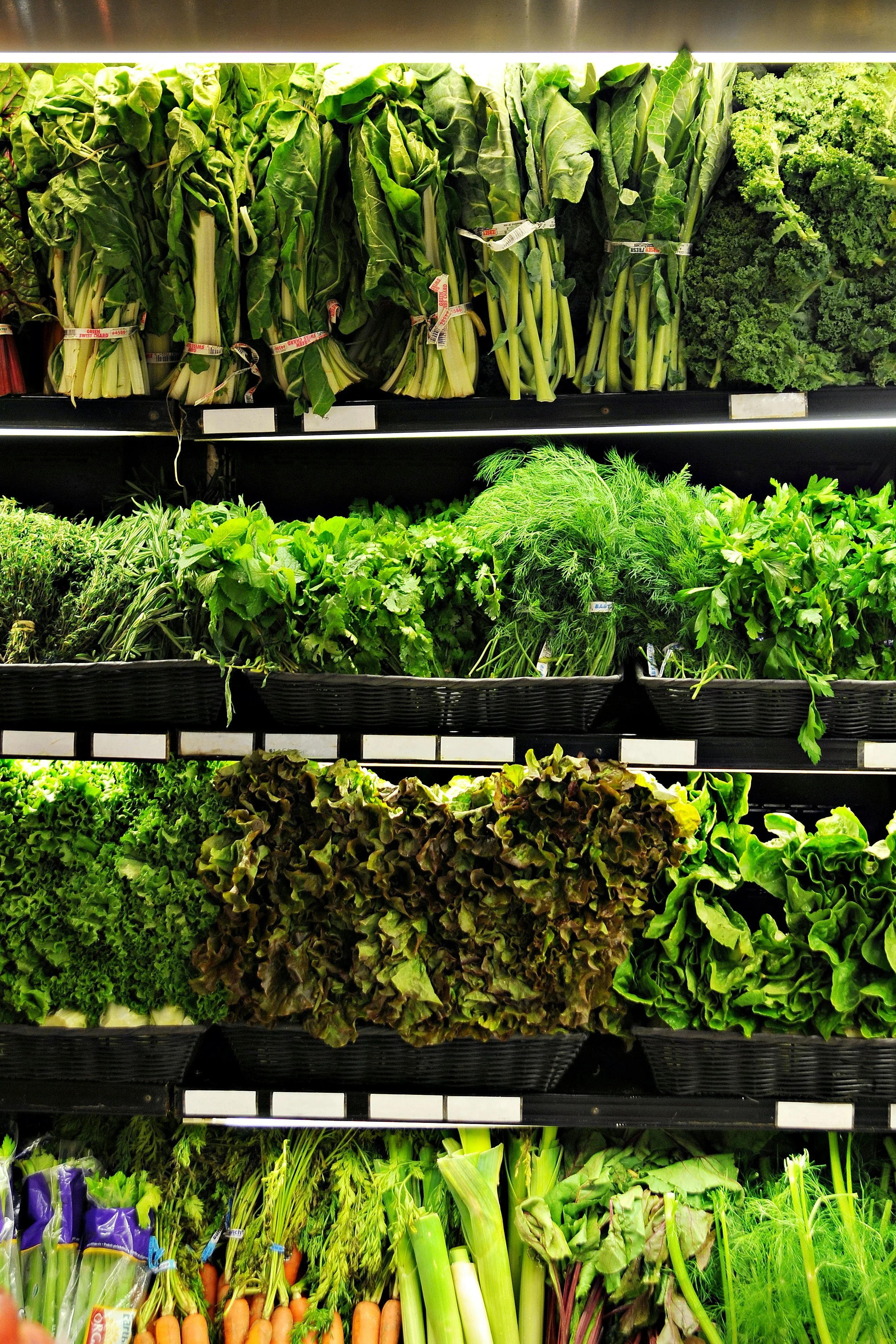
News reports about the current outbreak of cyclosporiasis may understandably leave parents wondering whether it's still safe to eat fresh fruits and vegetables. Fortunately, for most healthy children, the answer is yes. While this parasite can cause a prolonged diarrheal illness, the overall risk to any one child remains low, public health officials continue to investigate the source of the outbreak, and there are effective ways to diagnose and treat the infection if it occurs.
As a pediatrician, my goal is not only to help parents navigate situations like these with accurate information, but also to help them feel confident in the choices they make for their family.
Cyclospora cayetanensis is a microscopic parasite that infects the intestines. Unlike many common stomach viruses, it is usually spread by eating contaminated fresh produce rather than through person-to-person contact. In previous outbreaks, leafy greens, bagged salads, fresh herbs such as basil and cilantro, raspberries, snow peas, and green onions have all been implicated. During the current outbreak, however, investigators have not yet identified a single food source, and no specific recall has been announced.
One reassuring fact is that Cyclospora is not highly contagious between people. The parasite requires time in the environment before it becomes infectious, making direct spread from one family member to another quite uncommon. Good handwashing after using the bathroom and before preparing food remains an excellent precaution, but families do not need to isolate an infected child in the way they would for illnesses such as norovirus.
What symptoms should parents watch for?
Symptoms usually begin about one week after exposure, although they can appear anywhere from two days to more than two weeks later. The hallmark symptom is watery diarrhea, which can be persistent or come and go over several weeks if left untreated. Other symptoms may include:
Loss of appetite
Nausea
Abdominal cramping and bloating
Excessive gas
Fatigue
Weight loss
Low-grade fever
Occasionally vomiting
Although the illness is often self-limited, symptoms can linger for weeks or even months without treatment.
Should my family stop eating fresh vegetables?
For most healthy children, I do not recommend eliminating fresh fruits and vegetables. These foods remain among the most important building blocks of a healthy diet and contribute essential vitamins, minerals, fiber, and plant compounds that support overall health.
There are, however, exceptions. During the current outbreak, children at higher risk—including infants under one year of age and children with significantly weakened immune systems—may wish to avoid raw vegetables and other produce historically linked to Cyclospora outbreaks until public health officials identify the source. Cooked vegetables are a safer alternative during this time.
For everyone else, continue to enjoy fresh produce while taking sensible precautions. Washing fruits and vegetables thoroughly under clean running water helps reduce contamination from dirt, bacteria, and parasites. While washing cannot guarantee complete removal of Cyclospora, it remains an important part of safe food preparation.
A healthy microbiome is one of your child's best defenses
One lesson that continues to emerge from research is that our bodies are not defenseless when exposed to germs. The trillions of beneficial bacteria that live in the digestive tract—collectively known as the microbiome—play an important role in supporting immune function and helping the body recover from infections.
Although even a healthy microbiome cannot completely prevent an infection like cyclosporiasis, children whose overall health is optimized may be better equipped to recover when illness occurs.
Some of the best ways to support your child's microbiome include:
Eating a variety of fruits and vegetables
Consuming adequate dietary fiber
Including fermented foods when age-appropriate
Getting sufficient sleep
Staying physically active
Avoiding unnecessary antibiotic use
These simple daily habits strengthen overall health far beyond protection from any single infection.
When should you contact your pediatrician?
If your child develops diarrhea that lasts more than a few days, especially if accompanied by abdominal pain, fatigue, weight loss, or signs of dehydration, it's worth reaching out to your pediatrician. Children who are unable to stay hydrated, have decreased urination, or appear unusually lethargic should be evaluated promptly.
The good news is that diagnosing Cyclospora has become much easier than it once was. Your pediatrician can order a stool test, usually by having you provide a stool sample at home. Many modern multiplex gastrointestinal PCR panels can detect Cyclospora along with numerous other bacteria, viruses, and parasites that can cause diarrhea, allowing us to identify the cause and tailor treatment appropriately.
Is there treatment?
Yes. If Cyclospora infection is confirmed—or strongly suspected in the appropriate clinical setting—the recommended treatment is the antibiotic trimethoprim-sulfamethoxazole (TMP-SMX), typically given for 7–10 days. Children with weakened immune systems sometimes require longer treatment courses. For patients who cannot take sulfa medications, options are more limited, although nitazoxanide has shown benefit in some reports.
The bottom line
Outbreaks like this naturally generate concern, but they are also a reminder that our public health system is actively monitoring foodborne illnesses and working to identify their source. Most children who develop cyclosporiasis recover completely, especially when diagnosed and treated promptly.
Rather than becoming fearful of fresh produce, continue focusing on what has always supported your family's health: a nutritious diet, good food preparation habits, regular handwashing, and healthy lifestyle practices that foster a resilient immune system and microbiome.
If your child develops prolonged diarrhea or you are concerned about possible exposure, please don't hesitate to contact our office. We can help determine whether stool testing is appropriate and guide you through the next steps so your child can recover as quickly and comfortably as possible.