Snow Season Safety: Keeping Your Kids Healthy and Happy All Winter Long
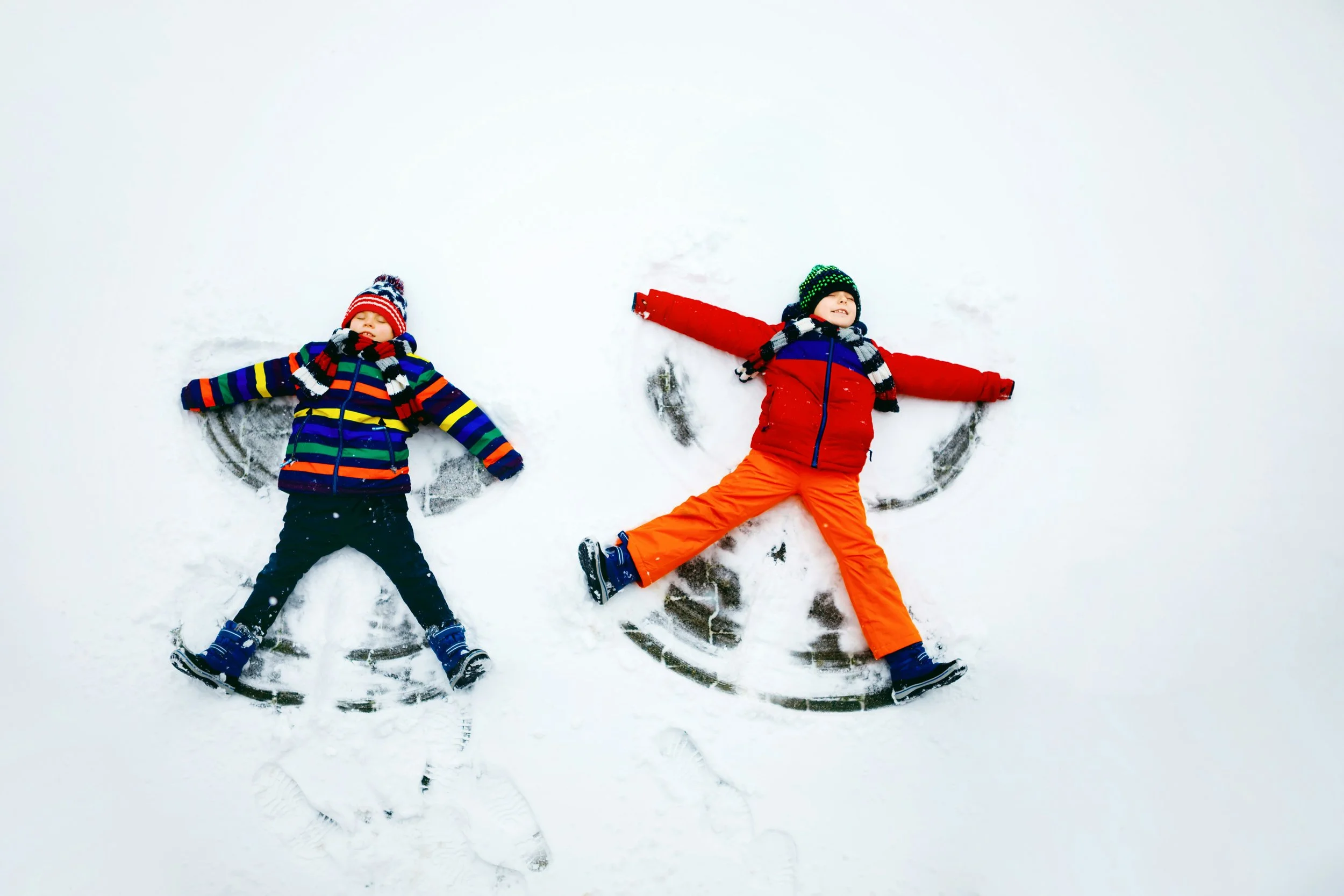
Winter in Utah is magical—fresh powder, sledding hills, and family ski days—but it also brings hazards that can catch families off guard. As pediatricians, we see a predictable rise in cold-related injuries, respiratory illnesses, and accidents once the snow begins to fall. With a little preparation and a few safety habits, your family can enjoy everything winter has to offer while minimizing risk. This guide covers the essentials of snow-season safety for children of all ages.
Dress for Success: Layering and Cold Protection
Children lose heat faster than adults, and once they’re cold, it can be surprisingly hard for them to warm up again. Proper layering helps kids stay comfortable and safe outdoors. Start with a moisture-wicking base layer (avoid cotton, which traps moisture), add an insulating middle layer like fleece or wool, and finish with a waterproof outer shell. Hats, gloves or mittens, warm socks, and insulated boots are non-negotiable. Mittens are warmer than gloves for younger children, and ski masks or balaclavas are helpful on windy days. Infants should spend limited time outdoors in very cold weather, as frostbite can occur quickly on tiny fingers, toes, and noses.
Know the Warning Signs of Frostbite and Hypothermia
Frostbite most commonly affects exposed skin like cheeks, ears, and hands. Early signs include tingling, redness, or pale patches. If caught early, simply warming the area indoors is usually enough. Hypothermia is more serious and occurs when body temperature drops too low. Kids may seem unusually tired, confused, clumsy, or start shivering uncontrollably. Seek immediate medical attention for suspected hypothermia. A good rule for outdoor play: if you notice your child slowing down, getting cranky, or saying they’re cold, it’s time to head inside for a warm-up break.
Snow Play Safety: Sledding, Skiing, and Ice Awareness
Sledding injuries are extremely common and can be prevented with a few simple rules. Choose hills that are free of trees, poles, fences, and roads at the bottom. Always supervise children, make sure they sled feet first, and avoid using makeshift sleds like cardboard or garbage can lids. Helmets—bike or ski helmets—are strongly recommended for sledding. For skiing and snowboarding, proper-fitting helmets and goggles are essential. Make sure your child takes rests throughout the day to avoid fatigue-related accidents. Keep kids off frozen ponds, rivers, and reservoirs unless a city or organization has specifically deemed an area safe for ice play; thickness can be unpredictable, and falls through ice are life-threatening events.
Stay Hydrated and Fuel the Fun
Children can become dehydrated in cold weather just as easily as in heat, especially at Utah’s elevation. Cold, dry air pulls moisture from the lungs, and kids often forget to drink when they’re having fun. Pack water, warm broth, or herbal tea for longer outings. High-energy snacks like nuts, granola bars, and fruit provide fuel for hours of outdoor play. Infants and toddlers need extra attention here—they can become dehydrated quickly and may have lower reserves to tolerate cold.
Illness Prevention in the Winter Months
Snow season overlaps with peak respiratory virus season. Because cold air can dry and irritate the airways, children with asthma or reactive airway disease are more prone to flare-ups in winter. Using a scarf or gaiter over the nose and mouth helps warm the air before it enters the lungs. Handwashing after outings, getting adequate sleep, and keeping up with recommended vaccinations (including flu and COVID vaccines) are simple but powerful ways to keep winter illnesses at bay. Humidifiers at home may ease dry-air-related symptoms, but remember to clean them regularly to avoid mold growth.
Car Seat and Car Travel Safety in Cold Weather
Bulky winter coats can compress in a crash, creating extra space under harness straps. The safest approach is to buckle your child into their car seat without a puffy coat, then add a blanket or coat on top once they’re secured. Many parents also overlook the additional stopping time needed on icy roads—drive slowly, leave extra distance between cars, and make sure your vehicle’s tires are appropriate for snowy conditions. Keep a winter emergency kit in your trunk, including blankets, snacks, water, a flashlight, and a charged portable phone battery.
Snow Shoveling and Teen Safety
Older kids and teens often help with snow removal, which is great exercise but can strain young muscles if done incorrectly. Encourage stretching beforehand, lifting smaller loads at a time, and pushing rather than lifting heavy snow when possible. Make sure teens recognize signs of overexertion—dizziness, chest discomfort, or excessive fatigue—especially at higher altitudes. Teens who drive should receive the same winter road safety reminders adults get: slow speeds, no sudden stops, no cruise control on icy roads, and absolutely no phone use while driving.
Make Winter Fun—and Safe
Snow season can be one of the most joyful times of the year for kids, fostering outdoor play, exploration, and family bonding. A few thoughtful precautions go a long way toward making those memories safe ones. If you ever have questions about winter gear, cold exposure, or whether your child is ready for certain activities, we’re here to help guide you.