GLP-1 Medications, Pregnancy, and Breastfeeding: What Birth Workers Need to Know
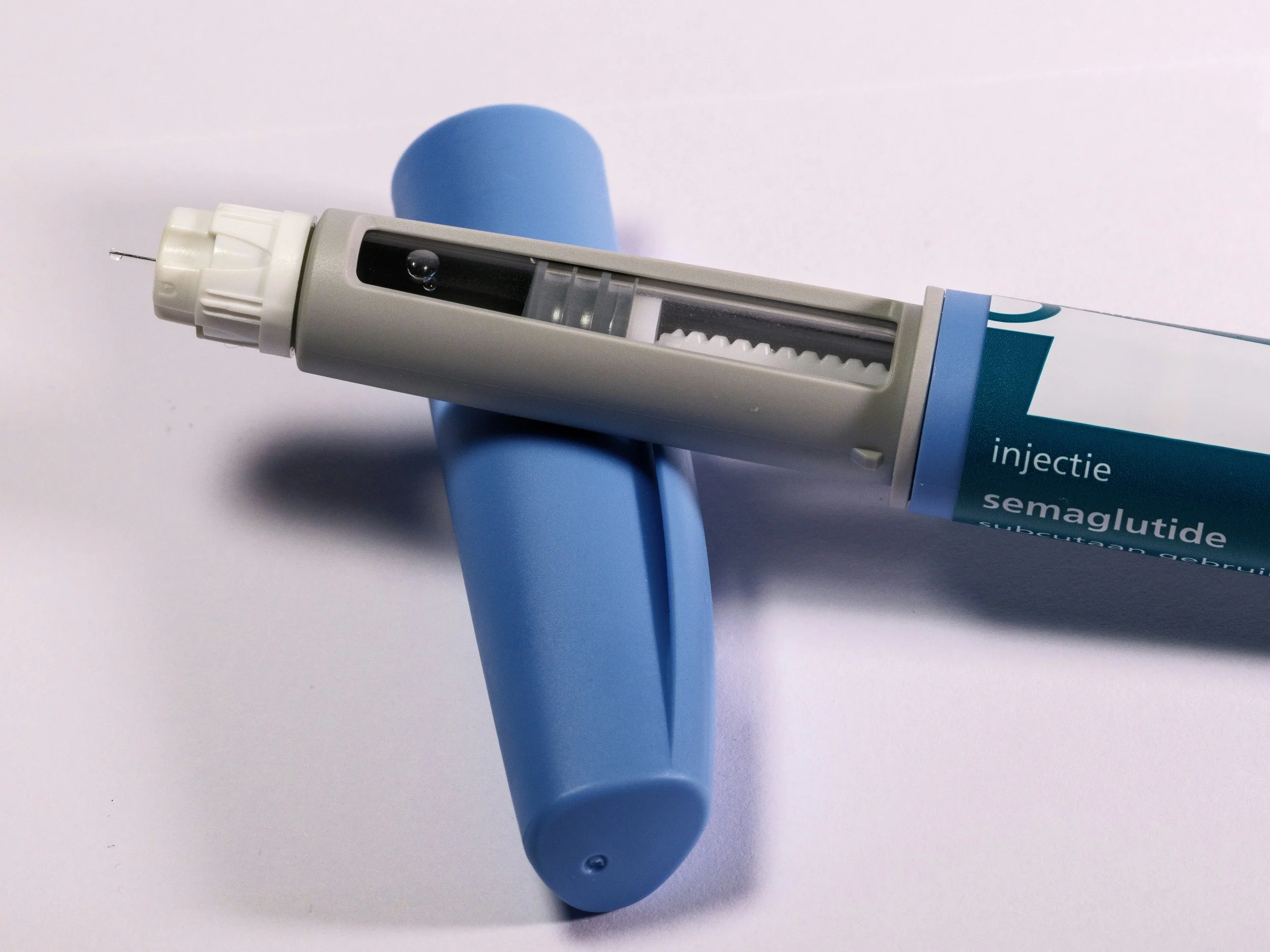
Glucagon-like peptide-1 receptor agonists (GLP-1 RAs)—including semaglutide (Ozempic, Wegovy), tirzepatide (Mounjaro, Zepbound), dulaglutide (Trulicity), and liraglutide (Victoza, Saxenda)—have become some of the most commonly prescribed medications for weight loss and metabolic health. As more women of reproductive age use them, birth workers are increasingly fielding questions about safety in pregnancy, what to expect after discontinuation, and whether breastfeeding while taking these medications is safe. While research is still emerging, we do have guidance from human data, animal studies, pharmacology, and clinical experience. This article summarizes what birth workers should know to support clients with accurate, compassionate, and balanced information.
Why GLP-1 medications are stopped before pregnancy
Current medical guidance recommends discontinuing GLP-1 RAs before conception. This recommendation is based on several factors: first, animal studies have shown embryo-fetal risks at exposures higher than those used in humans. Second, these medications slow gastric emptying, which may worsen nausea and vomiting in early pregnancy. Third, we simply lack robust human pregnancy-safety data. Each medication has a recommended “wash-out” period before attempting conception—generally 1–2 months for semaglutide and tirzepatide, and shorter for liraglutide and dulaglutide. Women who become pregnant while taking a GLP-1 RA should discontinue the medication immediately and discuss next steps with their prenatal provider. So far, limited human data have not shown a clear pattern of birth defects or adverse outcomes, but data are too sparse to declare these medications safe.
What to expect when stopping GLP-1 medications before or during pregnancy
Birth workers should be aware of the common physiological and emotional experiences that can follow discontinuation. Many women experience a return of appetite fairly quickly—often within days to weeks. Weight regain is common if no structured nutritional or behavioral plan is in place, though the amount varies widely. Some clients experience fatigue, mild gastrointestinal changes, and frustration as previous hunger cues return. For women who had been using GLP-1 therapy to manage insulin resistance, prediabetes, or PCOS, glucose control may worsen after stopping. Birth workers can help normalize these shifts, encourage early prenatal care, and support clients in building realistic expectations around weight changes, emotional fluctuations, and the need for alternative strategies for metabolic health during pregnancy. It’s especially important to reinforce that weight regain is not a personal failure—it's a predictable physiological response once the medication is stopped.
The intersection of GLP-1 discontinuation with early pregnancy symptoms
Because GLP-1 medications slow digestion, some women notice an initial increase in nausea once they stop them, followed by the onset of typical early-pregnancy nausea and vomiting. Clients may feel discouraged by this “double wave” of symptoms. Birth workers can validate this experience and offer typical first-trimester comfort measures, while reminding clients that symptoms generally improve as hormone fluctuations stabilize.
Fertility considerations
An important clinical detail: GLP-1 RAs can increase fertility in some individuals by improving insulin resistance, restoring ovulation, and reducing inflammation. As a result, unplanned pregnancies may occur more often in women starting or stabilizing on these medications. Birth workers can emphasize the importance of reliable contraception for clients who are not planning to conceive.
Postpartum use and breastfeeding safety
Historically, GLP-1 medications have been avoided during breastfeeding because their large molecular size (peptide hormones) suggested limited transfer into breast milk but with unknown effects on infants. However, emerging research—particularly from LactMed, the InfantRisk Center, and small human case studies—has suggested minimal to no detectable drug levels in breast milk for several GLP-1 RAs, including semaglutide. Oral formulations may pose a slightly different absorption profile compared with injectable versions, but overall systemic transfer into the infant appears extremely low due to degradation in the gastrointestinal tract. Even with these encouraging findings, GLP-1s are still generally not recommended during breastfeeding because safety data remain sparse, and infants may be more sensitive to appetite-suppressing effects. However, some clinicians are beginning to prescribe them postpartum on a case-by-case basis, particularly for individuals with diabetes or severe metabolic disease. Birth workers should be aware that decisions increasingly involve shared decision-making, considering maternal metabolic health, lactation goals, and the absence of strong evidence of harm.
What birth workers can do
• Normalize physiologic changes as clients discontinue GLP-1 medications.
• Support mental health by validating frustrations about weight regain or appetite changes.
• Encourage early prenatal care, especially for clients with metabolic conditions.
• Reinforce realistic expectations that appetite and weight shifts are normal after stopping GLP-1 therapy.
• Help clients prepare for postpartum planning, including discussions with their medical team regarding when or if restarting GLP-1 therapy is appropriate.
• Share evidence-based resources rather than online commentary that may overstate risks.
Key Takeaway
GLP-1 medications are powerful and effective tools for metabolic health, but current evidence supports discontinuing them prior to conception and using caution during breastfeeding. Clients who stop these medications often face a confusing blend of physiologic, emotional, and metabolic changes. Birth workers play a critical role in offering reassurance, evidence-based guidance, and continuity of support as clients adjust to pregnancy and postpartum life.