
Herbalism
How is herbalism used in pediatrics?
Herbalism offers a gentle, supportive way to work with a child’s body rather than against it. In pediatrics, herbs are often used to support the immune system, soothe the nervous system, aid digestion, and promote overall balance. This might look like using chamomile or lemon balm to support sleep and calm, ginger or fennel for digestive discomfort, or elderberry during times of increased immune stress. The goal is not to “override” symptoms, but to understand what the body is communicating and offer support that helps restore equilibrium in a developmentally appropriate way.
What are some safety considerations when using herbal treatments for babies and children?
Children are not just “small adults,” and herbal use requires thoughtful dosing, appropriate preparation, and an understanding of developmental physiology. Not all herbs are safe for infants or young children, and quality matters significantly—products should be sourced from reputable companies that prioritize purity and accurate labeling. It’s also important to consider potential interactions with medications, underlying health conditions, and a child’s unique sensitivities. When used appropriately and under guidance, many herbs can be both safe and effective, but they should always be approached with the same level of care and respect as any other therapeutic tool.
To what extent is herbalism used to treat common childhood conditions?
At Healing Arts Pediatrics, herbalism is often a starting point—especially for mild or early-stage concerns—because it aligns with a preventive, root-cause approach to health. Many common childhood issues, such as sleep challenges, mild anxiety, digestive discomfort, or frequent viral illnesses, can often be supported with well-chosen herbal therapies alongside lifestyle and nutritional foundations. At the same time, we are very clear that herbal medicine is not a replacement for modern medical care when a condition becomes more severe or requires more targeted intervention. In those situations, we often recommend a thoughtful combination of approaches—using herbs to support the body while also incorporating prescription medications or other conventional treatments when they are truly needed.
Our Experience
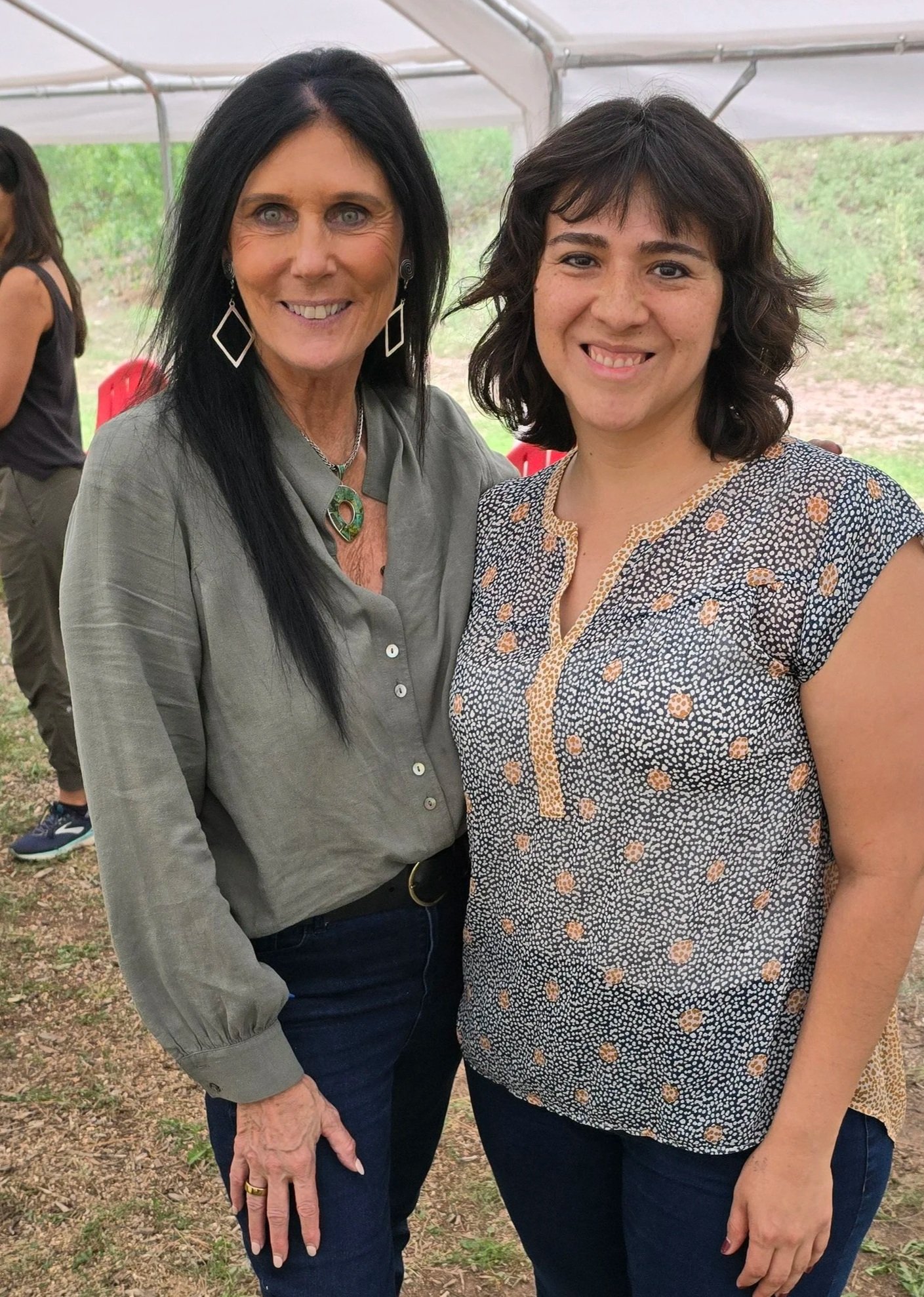
Dr. Capella’s primary teacher and mentor in the field of herbalism has been Dr. Tierona Low Dog, a family physician, master herbalist, and integrative health expert.
She has taken the following courses and seminars through Dr. Low Dog’s Medicine Lodge Academy:
Foundations in Herbal Medicine
Herbal Medicine Making Course
Herbs and the Mind
Herbs for Immunity
Natural Skin & Body Care
She also loves gardening and grows many of her own herbs in her home and clinic gardens.
Healing Arts Pediatrics offers occasional workshops in herbal medicine making — check out our upcoming events here.