Understanding Microbiome Testing: What Really Matters for Your Child’s Gut
Over the past few years, I’ve noticed more and more parents coming into the office with detailed stool test reports in hand—sometimes beautifully designed, color-coded, and full of fascinating charts. Companies like Tiny Health, GI-MAP, and others have made microbiome analysis widely accessible, and it’s understandable why this is so appealing. The idea that we can “peek inside” a child’s gut and understand their health at a deeper level feels both empowering and hopeful.
But with that access comes a new challenge: how do we make sense of all this information? While these tests can offer interesting insights, they can also create confusion—and sometimes unnecessary worry—if we don’t understand what they can and can’t tell us.
Most microbiome analyses look at the DNA of bacteria (and sometimes viruses, fungi, and parasites) present in a stool sample. They estimate which organisms are present and in what relative amounts, and from there, reports often highlight “imbalances,” flag certain bacteria as “low” or “high,” and sometimes suggest targeted supplements or interventions. The important thing to understand is that our knowledge of what constitutes a “normal” or “ideal” microbiome—especially in children—is still evolving. Unlike something like a blood sugar level or a hemoglobin count, there is no single “optimal” microbiome profile that applies to every child. In fact, healthy microbiomes can look very different from one person to another, and what matters more than the presence or absence of a specific organism is the overall diversity, resilience, and function of the ecosystem.
A report might tell you that a certain “beneficial” bacteria is low, or that another strain is relatively elevated, but we often don’t have strong evidence that directly correcting those specific numbers leads to better health outcomes. In many cases, the microbiome is responding to a child’s environment—especially their diet—rather than being the root cause of symptoms. For that reason, it can be more helpful to think of the microbiome not as something we “fix” with targeted interventions, but as a reflection of how we are feeding and nurturing the internal ecosystem.
And that brings us to the most important—and most actionable—part of this conversation: nutrition. If the gut microbiome is an ecosystem, then food is the soil, water, and sunlight that determines what grows and what doesn’t. No supplement, no matter how well-marketed, can fully compensate for an ecosystem that isn’t being properly nourished.
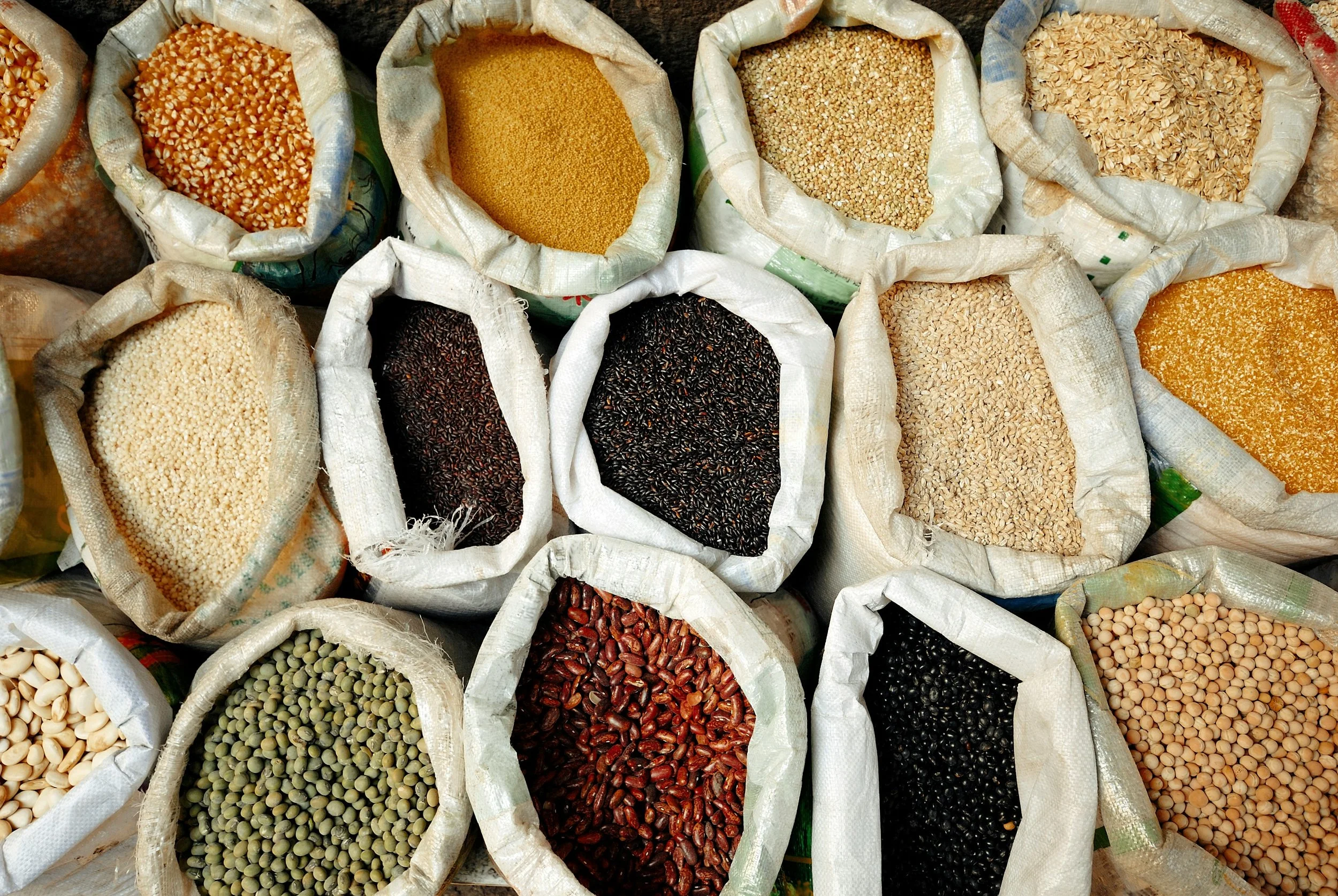
One of the most consistent findings across microbiome research is that dietary fiber—especially from a wide variety of plant foods—is one of the most powerful drivers of a healthy gut. These fibers act as prebiotics, feeding beneficial bacteria and helping them thrive. When these bacteria ferment fiber, they produce compounds like short-chain fatty acids that support gut integrity, regulate inflammation, and even influence mood and immune function. Unfortunately, the average child’s diet today—even in households that are doing their best to eat “healthy”—tends to fall short in this area. Many children are eating too many refined carbohydrates (like white breads, crackers, cereals, and snack foods) and too many animal products, while not getting nearly enough fiber. Whole grains, legumes, vegetables, fruits, nuts, and seeds—the foods that truly nourish the microbiome—are often underrepresented. At the same time, diets higher in animal products and lower in fiber can encourage the growth of less beneficial bacterial strains, shifting the balance of the microbiome in ways that may not support long-term health.
A helpful way to think about this is through the analogy of gardening. Imagine you’re trying to grow a garden with tomatoes, spinach, and blueberries. Each of these plants has different nutrient needs: tomatoes thrive in nutrient-rich soil with plenty of sunlight, spinach prefers cooler conditions and consistent moisture, and blueberries require more acidic soil to grow well. If you plant all three but only provide one type of care—say, inconsistent watering and no attention to soil quality—you won’t get a thriving garden. Some plants will struggle, others may not grow at all, and weeds—plants that are more adaptable to poor conditions—may take over. The gut microbiome works in a similar way. Different bacterial species thrive on different types of fibers and nutrients, and if a child’s diet lacks the diversity of plant fibers needed to support beneficial bacteria, those organisms won’t flourish. Meanwhile, bacteria that can survive on simpler fuels—like sugars and certain byproducts of animal proteins—may become more dominant.
This is why, when a stool test shows “low beneficial bacteria,” it is often less about needing a specific probiotic and more about needing to change what we’re feeding the ecosystem. That said, supplements do have their place. Prebiotics and probiotics can be helpful in certain situations, such as supporting recovery after antibiotics, addressing specific gastrointestinal symptoms, or providing a temporary boost while dietary changes are being made. In some cases, targeted supplementation based on symptoms—and occasionally supported by testing—can be part of a thoughtful plan.
However, it’s important to keep expectations realistic. A probiotic capsule is not a substitute for a fiber-rich, plant-diverse diet. You can think of it as adding a few seeds to the garden, but if the soil isn’t healthy and the environment isn’t supportive, those seeds won’t take root in a meaningful or lasting way. Similarly, prebiotic supplements can provide specific fibers, but they are not as complex or varied as the fibers found in whole foods. Nature packages fiber with polyphenols, antioxidants, and other compounds that work together to support microbial diversity in ways we are still working to fully understand.
So when parents ask how to interpret a microbiome test, I often bring the conversation back to a few foundational questions: What is this child eating on a daily basis? How much fiber are they getting? How diverse are their plant foods? Are whole grains, legumes, vegetables, fruits, nuts, and seeds showing up regularly? Are there opportunities to reduce refined carbohydrates and shift toward more whole, nutrient-dense options? Are we incorporating foods that naturally support the microbiome, such as fermented foods like yogurt, kefir, sauerkraut, kimchi, or miso?
In most cases, the most powerful way to influence the microbiome is not through chasing specific numbers on a report, but through consistently nourishing the ecosystem over time. This may feel less exciting than a personalized supplement protocol, but it is far more impactful—and far more sustainable. The goal is not to create a “perfect” microbiome based on a snapshot from a single stool test, but to support a resilient, diverse ecosystem that can adapt and promote long-term health.
For parents who want to dive deeper into this topic, I often recommend the book Happy Kids, Healthy Kids by Dr. Elisa Song, which offers a thoughtful, practical, and evidence-informed approach to supporting the microbiome and overall health in children.
Microbiome testing can absolutely be a helpful piece of the puzzle when used thoughtfully and in context, but it is still just one piece. The foundation—the part that matters most, day in and day out—is what’s on the plate. When we focus there, we’re not just supporting the microbiome—we’re supporting the whole child.