Red Light Therapy for Kids: What Parents Should Know
What Is Red Light Therapy?
You may have heard about red light therapy from social media, wellness blogs, or even other parents. It can sound a little futuristic—but the basic idea is actually pretty simple.
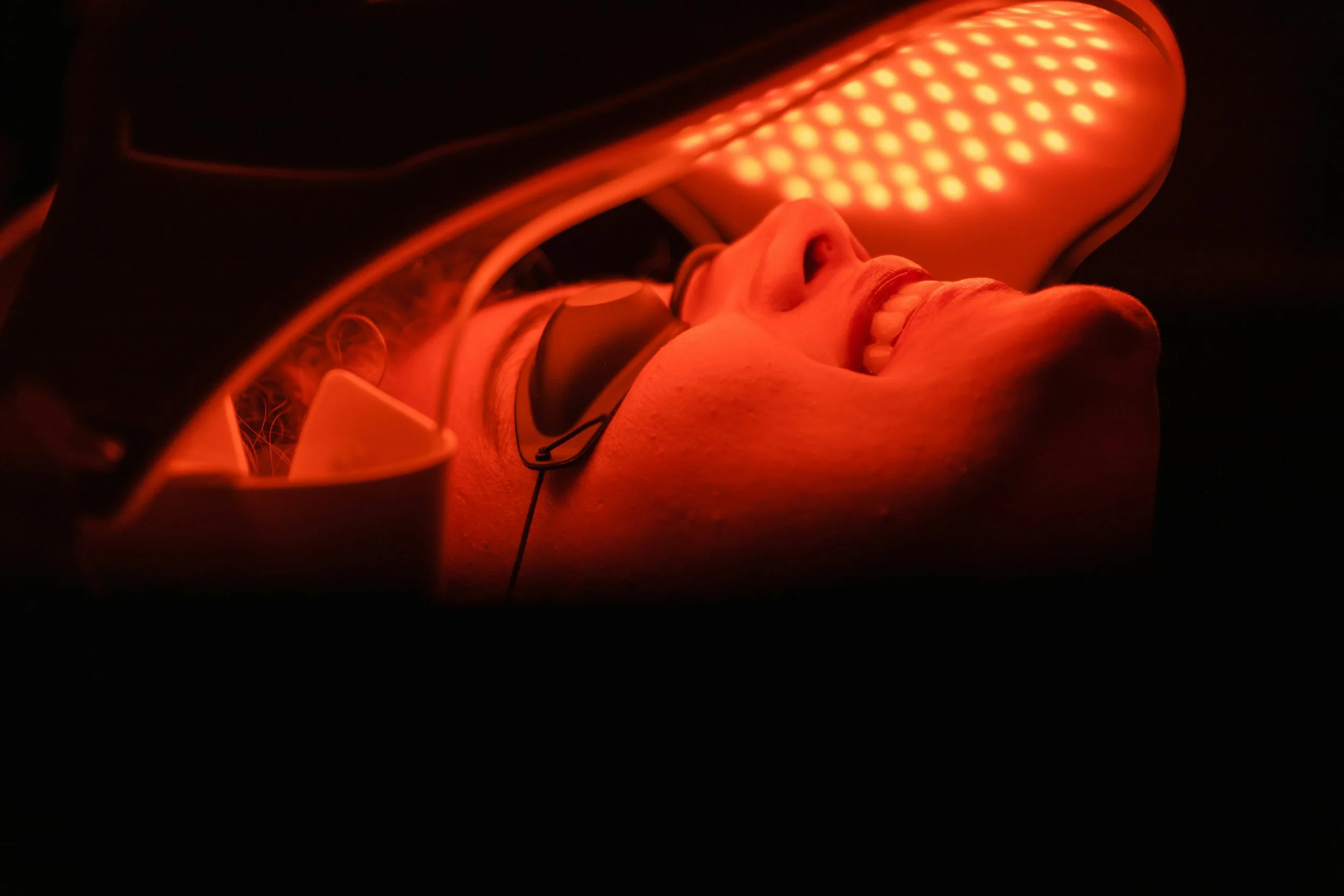
Red light therapy (also called photobiomodulation) uses specific types of light—mostly red and near-infrared light—to interact with the body’s cells. These lights are delivered through devices like small handheld tools, face masks, or light panels.
Unlike sunlight or UV light (which can damage skin), this type of light doesn’t burn or harm the skin when used correctly. Instead, it penetrates a little deeper and may help cells work more efficiently—especially when it comes to healing and inflammation.
You might hear it described as “boosting energy in the cells.” What that really means is that it may help cells produce more of the energy they need to repair and function.
What Has It Actually Been Studied For?
This is where it gets important to separate what’s been studied from what’s just being talked about online.
Red light therapy has been researched most carefully for specific, local problems, especially involving the skin or healing. Some of the areas where it has shown benefit include:
Helping mouth sores (mucositis) in kids going through cancer treatment
Supporting wound healing (like cuts, ulcers, or surgical recovery)
Improving acne in teens
Helping certain types of hair loss
Speeding healing of cold sores (herpes)
For example, in children receiving chemotherapy, red light therapy has been shown to reduce the severity and pain of mouth sores and help them heal faster. That’s one of the strongest areas of evidence we have.
In general, the best results seem to be when red light therapy is used on specific areas of the body to reduce inflammation or help tissue heal.
What Parents May Be Hearing Online
If you’ve looked into red light therapy, you’ve probably seen much bigger claims.
Some sources suggest it can:
Boost the immune system
Improve sleep or brain function
Help with autism or ADHD
“Detox” the body
Improve overall health and energy
These claims can be very appealing—but they’re also where we need to slow down.
Right now, there isn’t strong evidence showing that red light therapy can do these whole-body or brain-related things, especially in children. Most of what we know comes from studies looking at specific, targeted uses, not full-body effects.
So while the science is interesting, some of the claims online go much further than what research actually supports.
What the Research Really Shows
Here’s a helpful way to think about it:
Red light therapy seems to work best when it’s used to:
Reduce inflammation
Help tissues heal faster
Support skin-related conditions
When used this way, it can be a helpful extra tool—not a cure-all, and not a replacement for standard treatments.
Another important point is that results depend a lot on how the therapy is used. Things like the type of light, how long it’s used, and how often it’s used all matter. That’s one reason why results can vary from person to person.
What We Still Don’t Know
Even though interest in red light therapy is growing quickly, there are still a lot of unanswered questions—especially for kids.
We still need more research on:
Long-term safety in children
The best “dose” (how long and how often to use it)
Whether it helps with whole-body or brain-related conditions
Most studies have been done in adults, so we’re often trying to apply that knowledge carefully to children.
Are There Side Effects or Safety Concerns?
Overall, red light therapy is considered low-risk when used correctly. That’s one of the reasons it’s become so popular.
That said, there are still a few things to keep in mind:
Eye protection is important, especially with devices used near the face
Some kids may have mild skin irritation or redness
Rarely, there can be burns or skin color changes if the device is too strong or used too long
Children with darker skin tones may be more prone to pigmentation changes
Another important point: more is not better. Using the device longer or more often than recommended doesn’t improve results—and could actually increase the risk of irritation.
What Types of Devices Are Out There?
There are many types of red light therapy devices available, especially for home use. These include:
Handheld devices for spot treatment
Face masks (often used for acne)
Light panels
Helmet or comb devices for hair
Some are medical-grade, but many are marketed as general wellness products and aren’t strictly regulated. That means quality and effectiveness can vary quite a bit.
If you’re considering one, it’s worth discussing with your pediatrician so you can choose something appropriate and use it safely.
So…Should You Use It for Your Child?
Red light therapy isn’t magic—but it’s not meaningless either.
In the right situations, it may be a helpful supportive tool, especially for:
Healing wounds
Managing acne in teens
Supporting recovery in certain medical conditions (like mucositis)
But it’s not a cure-all, and it shouldn’t replace proven medical treatments.
As with many integrative therapies, the goal is balance: being open to new tools while staying grounded in what we know is safe and effective.
If you’re curious about whether red light therapy might help your child, I’m always happy to talk it through with you—so we can make a decision that’s thoughtful, evidence-informed, and right for your family.
References
Son Y, Lee H, Yu S, et al. Effects of photobiomodulation on multiple health outcomes: an umbrella review of randomized clinical trials. Syst Rev. 2025;14:160. doi:10.1186/s13643-025-02902-3
Maghfour J, Ozog DM, Mineroff J, Jagdeo J, Kohli I, Lim HW. Photobiomodulation CME part I: Overview and mechanism of action. J Am Acad Dermatol. 2024;91(5):793-802. doi:10.1016/j.jaad.2023.10.073
Mineroff J, Maghfour J, Ozog DM, Lim HW, Kohli I, Jagdeo J. Photobiomodulation CME part II: Clinical applications in dermatology. J Am Acad Dermatol. 2024;91(5):805-815. doi:10.1016/j.jaad.2023.10.074